
Pinocchio’s Change of Heart
The Adventures of PinocchioPinocchio’s moral development emerges through repeated decisions to protect others, accept responsibility, and finally prioritize his family over immediate pleasure.
increasing Bearing strength in each event
 decreasing
Bearing strength in each eventdecreasingImpulsiveness at Birth
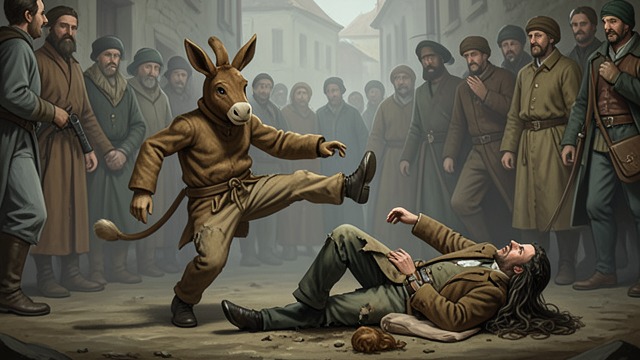
A Puppet Without Restraint
Mischief Before Judgment
Pinocchio takes Geppetto’s wig, kicks him, and runs into the street as soon as he can move. His energy is abundant, but he has not learned to consider what his actions do to others.
Early Consequences
The Carabineer returns him and imprisons Geppetto, though the crowd misreads the situation. Pinocchio gains freedom without understanding the cost imposed on his father.
The Cricket’s Rejected Counsel
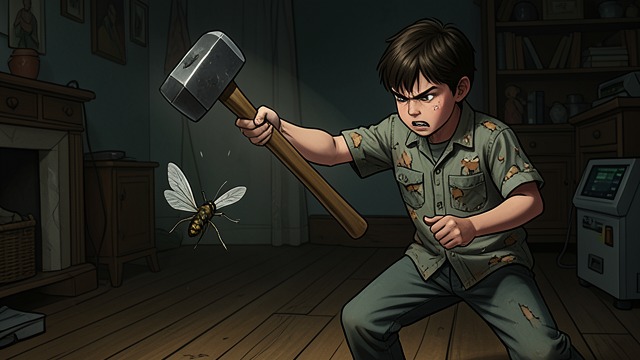
Anger Against Advice
Refusal to Listen
The Talking Cricket urges Pinocchio to obey his father, study, or learn a trade. Pinocchio prefers idleness and treats correction as an insult.
Violence and Regret
He throws a hammer and kills the Cricket. Hunger soon makes him admit that the warning was right, but his recognition initially remains an expression of need rather than lasting reform.
Courage in the Theater
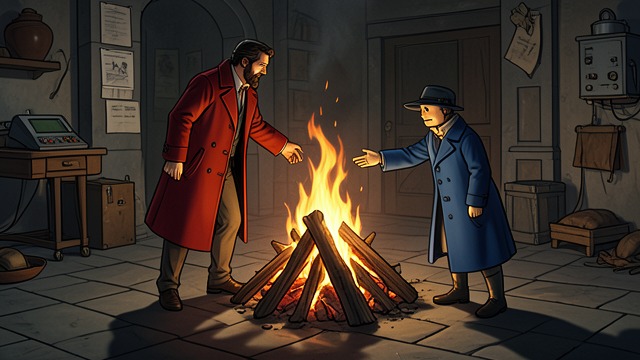
Self-Sacrifice Appears
A Friend in Danger
Fire Eater spares Pinocchio but orders Harlequin to burn instead. Pinocchio asks for mercy and then offers to take Harlequin’s place.
A Different Kind of Choice
His decision is not driven by hunger or reward but by concern for another puppet. Fire Eater’s pardon shows that courage and compassion already exist within Pinocchio, though they remain inconsistent.
Integrity at the Henhouse
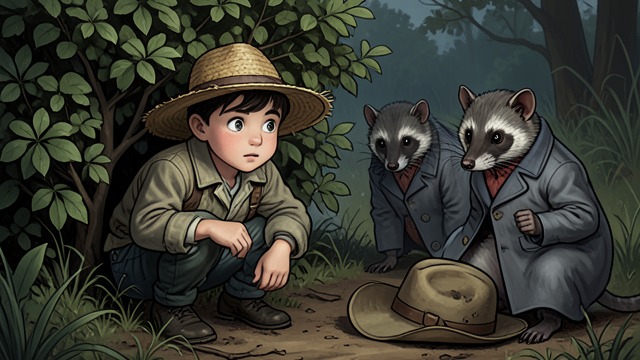
Resisting the Bribe
An Offered Share
The Weasels propose that Pinocchio imitate the dead watchdog and take a chicken in exchange for silence. Their offer repeats the temptations to benefit from another’s property.
Honest Action
Pinocchio traps the Weasels and alerts the Farmer rather than accepting the bargain. He is freed, and his conduct earns trust through a choice he makes when there is something to gain by dishonesty.
Responsibility Sustained
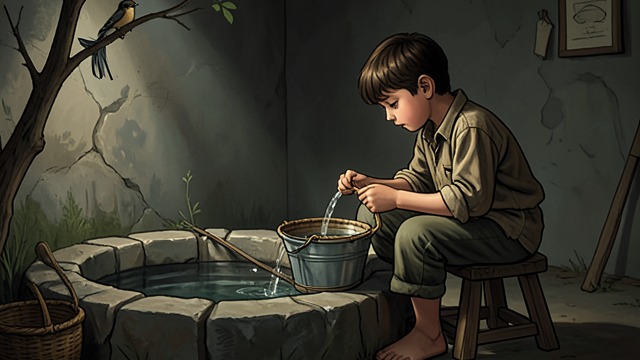
Care Becomes Habit
Daily Work
Pinocchio draws water for Geppetto, makes baskets, and studies after work. Rather than offering another promise, he repeats useful actions day after day.
Giving Without Reward
He gives his savings to the ill Fairy and continues working rather than buying clothes. His transformation into a real boy follows sustained responsibility, making the final change a consequence of character.
The first day in Geppetto’s home
That evening after the escape
The night Fire Eater chooses Harlequin
The night Pinocchio guards Farmer John’s chickens
The five months before Pinocchio’s transformation
